Bupropion is often linked to modest weight loss for some people, typically a few pounds over several months. The fixed-dose combination naltrexone-bupropion, sold as Contrave, is the FDA-approved option that produces larger, clinically tested weight loss when paired with diet and exercise. Either approach calls for medical supervision, so talk with a clinician before starting or adjusting any medication for weight.
TL;DR:
- In pooled trials, the naltrexone and bupropion combination produced 5.7% average weight loss at 56 weeks; 57% lost at least 5%, versus 35% on placebo.
- At week 12 on the maintenance dose, stop Contrave if weight loss remains below 5% of baseline; continued treatment is unlikely to add meaningful benefit.
- Do not combine Contrave with another bupropion product; clinicians should also check seizure history, blood pressure, pregnancy status, and mood during treatment.
- People who prefer pills or also manage depression or smoking may favor the combination, while injectable GLP 1 drugs usually produce greater weight loss.
Table of Contents
- What the evidence shows: trials and meta-analyses
- Mechanism: how bupropion and naltrexone affect appetite and reward
- Timeline and typical magnitude of weight change
- Safety, contraindications, and what gets monitored
- How bupropion fits alongside FDA-approved anti-obesity medications
- What to ask and expect at a clinical visit
- A clinician’s honest take on bupropion for weight loss
- How a virtual visit with Top Weight Loss Med can help
- FAQ
- Sources
What the evidence shows: trials and meta-analyses
The clearest numbers come from the naltrexone-bupropion trial program. A pooled analysis of phase 3 data found that naltrexone-bupropion ER produced mean weight loss of about 5.7% of baseline body weight at 56 weeks, with 57% of participants losing at least 5% of their starting weight compared with 35% on placebo.
Bupropion taken alone tells a more modest story. A systematic review and meta-analysis of bupropion interventions, alone or combined with naltrexone, found a pooled weighted mean difference of −3.67 kg compared with control (95% CI: −4.43 to −2.93), with combination therapy outperforming bupropion by itself. The studies varied in design, dose, and population, so individual results differ.
A few points matter for anyone reading these numbers:
- Bupropion monotherapy is not FDA-approved for weight management; its weight effects are a secondary observation from depression and smoking-cessation trials.
- Naltrexone-bupropion (Contrave) is approved specifically as an adjunct to a reduced-calorie diet and increased physical activity.
- Trial populations in these studies were adults with overweight or obesity, often with other metabolic or mood-related factors, which can affect how the results generalize.
Mechanism: how bupropion and naltrexone affect appetite and reward
Bupropion works mainly on dopamine and norepinephrine reuptake, and part of its appetite effect appears to come from stimulating POMC neurons in the hypothalamus, the brain region that helps regulate hunger and energy balance. That activation can reduce food intake somewhat, independent of its antidepressant effects.
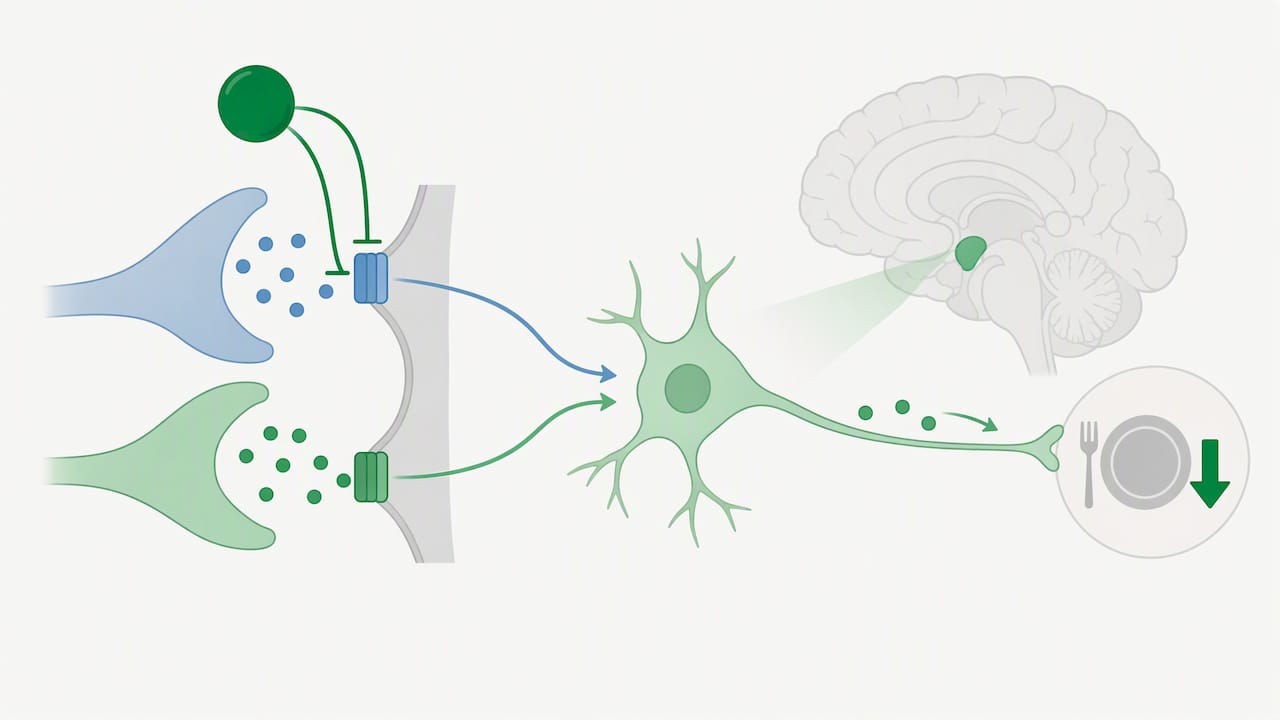
Naltrexone adds a second layer. It blocks opioid receptors that normally dampen the POMC response, so when paired with bupropion, the appetite-suppressing signal lasts longer and hits harder. This is the biological rationale behind why the combination produces a larger effect than bupropion alone.
A few caveats are worth keeping in mind:
- These pathways affect appetite and food reward, not metabolic rate directly, so the weight change reflects eating less rather than burning more.
- Individual response varies widely based on genetics, baseline eating patterns, and other medications.
- Mechanistic studies describe plausible pathways, not a guaranteed outcome for every patient.
Pro Tip: Track hunger and cravings in a simple daily note during the first month. It helps you and your clinician tell whether the medication is working or whether the dose needs adjusting.
Timeline and typical magnitude of weight change
Weight change on these medications unfolds over months, not days, though some people notice reduced appetite within the first few weeks.
- Weeks 1 to 4: Appetite changes may appear first, especially during the dose titration period for naltrexone-bupropion.
- Weeks 4 to 12: This is the window where clinicians typically look for an early response signal.
- Week 12 (Contrave label checkpoint): At the maintenance dose, the Contrave label recommends discontinuing treatment if a patient has not lost at least 5% of baseline weight, since continuing beyond that point is unlikely to produce meaningful benefit.
- Week 56: This is the primary trial endpoint, where pooled data show mean losses of roughly 5.7% to 7% for naltrexone-bupropion, with a notable share of patients reaching 10% or more.
For bupropion alone, expect a smaller range, often in the ballpark of a few kilograms over similar timeframes, well short of what the combination therapy delivers. These are averages from clinical trials, and individual results vary based on dose, adherence, and lifestyle changes made alongside the medication.
Safety, contraindications, and what gets monitored
Bupropion carries a dose-related seizure risk, which is why combining Contrave with any other bupropion-containing product, including antidepressant formulations like Wellbutrin, is contraindicated. Overlapping exposure raises the seizure threshold risk in a way that is not worth taking on, and it is one of the clearest hard stops in the prescribing information.
Naltrexone-bupropion can also raise blood pressure and heart rate in some patients, particularly during the early weeks of treatment, so monitoring is part of standard care rather than an optional extra. Contrave is contraindicated in pregnancy, and because bupropion is an antidepressant-class molecule, clinicians also watch for mood changes or emerging suicidal thoughts, a standard precaution across this drug class.
Before starting either medication, a clinician typically covers:
- A full medication list, with particular attention to any other bupropion-containing product or MAO inhibitor.
- Seizure history, eating disorder history, and current blood pressure.
- A pregnancy test when relevant, given the contraindication for Contrave.
- A follow-up schedule built around the 12-week response checkpoint.
Pro Tip: Bring your full medication and supplement list to the first visit, even over-the-counter items. Seizure risk and blood pressure interactions are easier to catch before a prescription is written than after.
How bupropion fits alongside FDA-approved anti-obesity medications
Bupropion and naltrexone-bupropion occupy a specific spot in a broader field of weight-loss medications. GLP-1 receptor agonists and dual GIP/GLP-1 agents, according to NIDDK guidance, typically produce larger weight losses than older oral agents, and that guidance recommends using any of these medications alongside diet and physical activity rather than as a standalone fix; for clinical-style outcomes on higher-efficacy injectables, see semaglutide weight loss for US patients.
That does not make naltrexone-bupropion irrelevant. A few scenarios shape the decision:
- Patients who prefer an oral medication over a weekly injection often lean toward naltrexone-bupropion.
- Those with coexisting depression or a history of smoking may find bupropion’s secondary benefits appealing, since it is already used for both conditions.
- Patients seeking the largest possible average weight loss, based on pooled trial data, often do better with injectable options, though tolerability and personal health history matter as much as average effect size.
The right choice depends on medical history, tolerance for injections versus pills, and what other conditions a person is managing. For readers curious about the injectable class, a closer look at semaglutide versus tirzepatide lays out how those effect sizes compare.
What to ask and expect at a clinical visit
A productive first visit starts with preparation. Bring your current medication list, seizure history, blood pressure readings if you have them, pregnancy status if relevant, and a clear sense of your weight-loss goals and timeline.
Once there, a few questions make the conversation more useful:
- What weight-loss result should I expect by 12 weeks, and what happens if I don’t hit it?
- How will you monitor my blood pressure and mood during treatment?
- What side effects are common early on, and when should I call versus wait it out?
- Are there other bupropion-containing medications I’m already taking that could interact?
Pro Tip: If an in-person visit is hard to schedule, a virtual consultation can cover this same checklist, including baseline blood pressure review and follow-up planning, often within the same week.
A clinician’s honest take on bupropion for weight loss
Weighing a mood benefit against a weight goal is rarely simple. Bupropion appeals to people who want to avoid the weight gain common with other antidepressants, but it is not a weight-loss drug in its own right, and treating it like one sets up disappointment. Naltrexone-bupropion is the better-tested path for weight specifically, and it still works best paired with real changes to diet and activity, not as a standalone fix. Whatever you choose, do it with a clinician watching blood pressure, mood, and drug interactions, not alone with a leftover prescription bottle.
— Bryan
How a virtual visit with Top Weight Loss Med can help
We built our Weight Loss Program around same-day virtual appointments, so getting a clinical evaluation for options like naltrexone-bupropion does not mean weeks on a waiting list. A typical first visit covers your medical history, current medications, and weight goals, and if a prescription fits, we offer medication delivery so you are not making extra pharmacy trips.

Because we handle weight loss alongside primary care and mental health on one platform, we can track mood and metabolic factors together instead of treating them as separate problems. We also help keep costs manageable. If you want to talk through whether bupropion, naltrexone-bupropion, or another approach fits your situation, start your evaluation with us today.
This article is general information, not a substitute for advice from a qualified doctor. Consult a qualified healthcare professional about your own circumstances before acting on anything here.

FAQ
Can Wellbutrin cause insomnia?
Yes, insomnia and trouble sleeping are commonly reported with bupropion, particularly when doses are taken later in the day. Taking the morning dose earlier and discussing timing with a prescriber often helps manage this side effect.
Why am I not losing weight even though I’m working out?
Weight loss depends on more than exercise alone, including total calorie intake, sleep, stress, and underlying metabolic or hormonal factors. A clinician can review your medication list, labs, and habits together to identify what might be slowing progress.
What is the best diet for weight loss?
No single diet works best for everyone, but guidelines recommend pairing any weight-loss medication with a reduced-calorie diet and increased physical activity rather than relying on diet alone. The most sustainable approach is typically one that fits your routine and that you can maintain long term.
Can Wellbutrin cause itchy skin?
Skin reactions, including itching or rash, are a recognized though less common side effect of bupropion. Persistent or worsening skin symptoms should be reported to a prescriber, since they can occasionally signal a more significant reaction.
Does bupropion help you lose weight on its own?
Bupropion alone is linked to modest weight loss in some patients, generally a few kilograms over several months in clinical studies, but it is not FDA-approved specifically for weight management. The combination with naltrexone, sold as Contrave, has stronger trial evidence for weight loss specifically.
Sources
- Use of Naltrexone–Bupropion in Persons With Overweight/Obesity and Symptoms of Depression: A Pooled Analysis - PMC
- DailyMed - Bupropion hydrochloride prescribing information
- How to incorporate weight-loss medications in diabetes care - NIDDK